
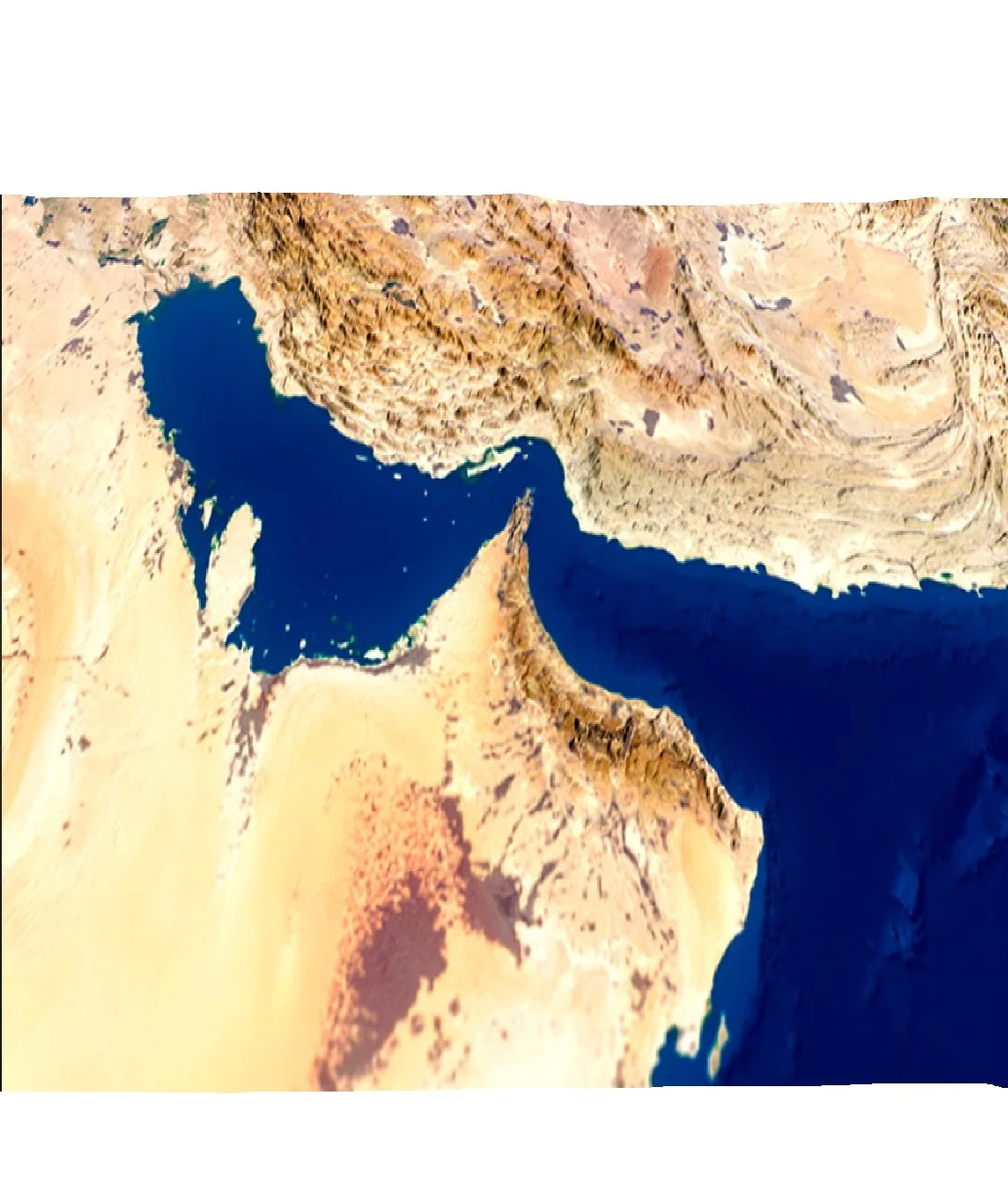
The Strait of Hormuz: What It Means for Australia’s Cost of Living
Geopolitical tension may feel distant, but its effects are already being felt at home. From rising fuel costs to pressure on food and housing, Australians are experiencing the early impacts in real time. Understanding what happens next—whether the Strait of Hormuz remains open or closes again—is key to staying informed, prepared, and not caught off guard.
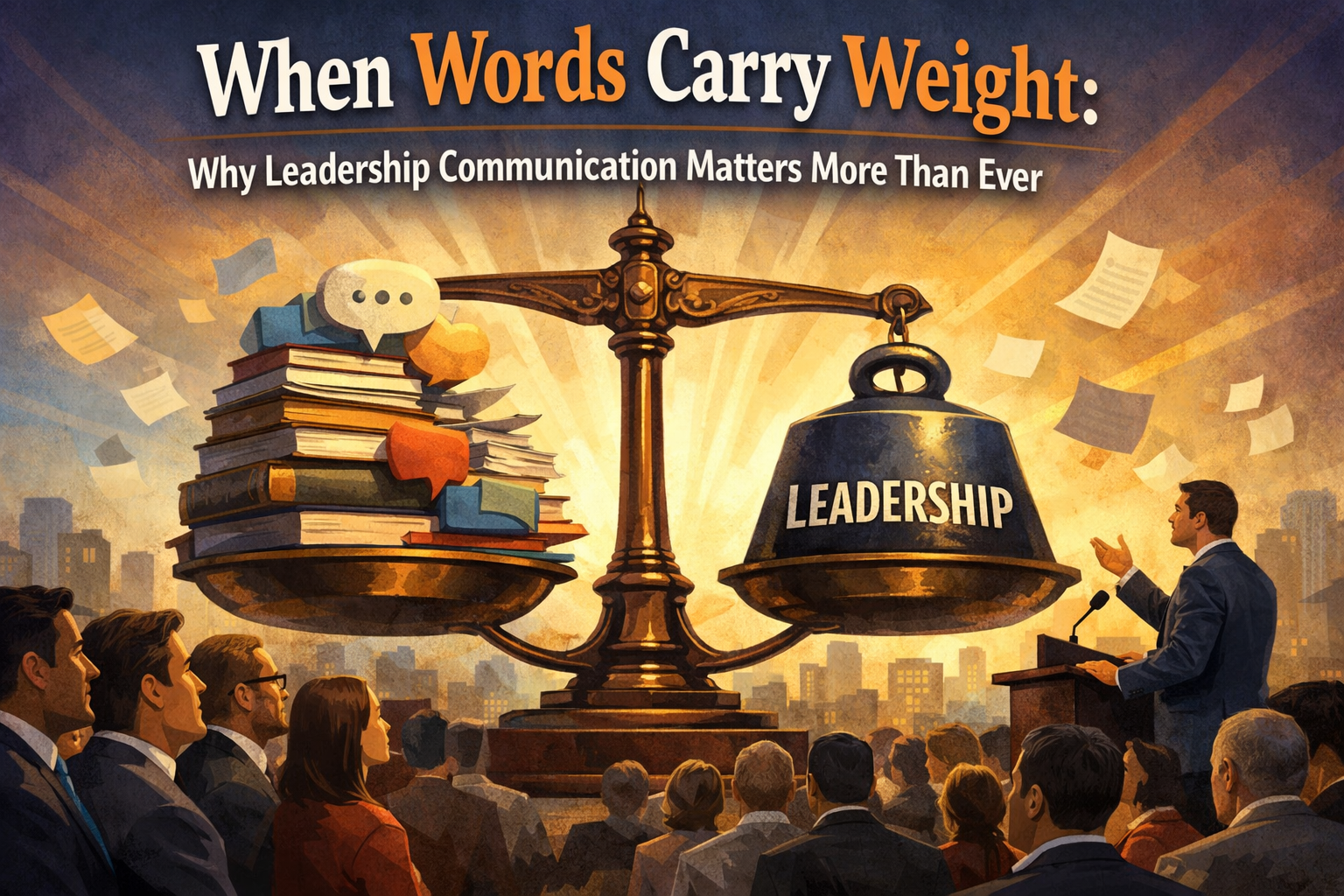
When Words Carry Weight: Why Leadership Communication Matters More Than Ever
In an age of instant information, words travel faster than context. When leadership communication prioritises impact over precision, the result is not strength, but uncertainty. The public is left to navigate conflicting messages, trying to separate reality from rhetoric in real time.

Food Security in Australia: How Global Conflict and Supply Chain Disruption Are Driving the Cost of Living Crisis
Australia produces enough food to feed millions—yet more Australians are going hungry. As global conflict and rising costs hit home, the weekly grocery shop is becoming a breaking point for those who can least afford it.
Disruptions to global supply chains, rising fuel prices, and ongoing geopolitical tensions are pushing up the cost of basic essentials. What begins overseas is quickly felt at the checkout, where everyday items like bread, milk, and fresh produce are no longer as affordable as they once were.
For low-income households, pensioners, and single parents, the impact is immediate and relentless. Budgets are stretched beyond their limits, meals are skipped, and nutrition is often the first compromise.
Food insecurity in Australia rarely looks dramatic—but it is growing, and it is reshaping how many households live, eat, and survive.